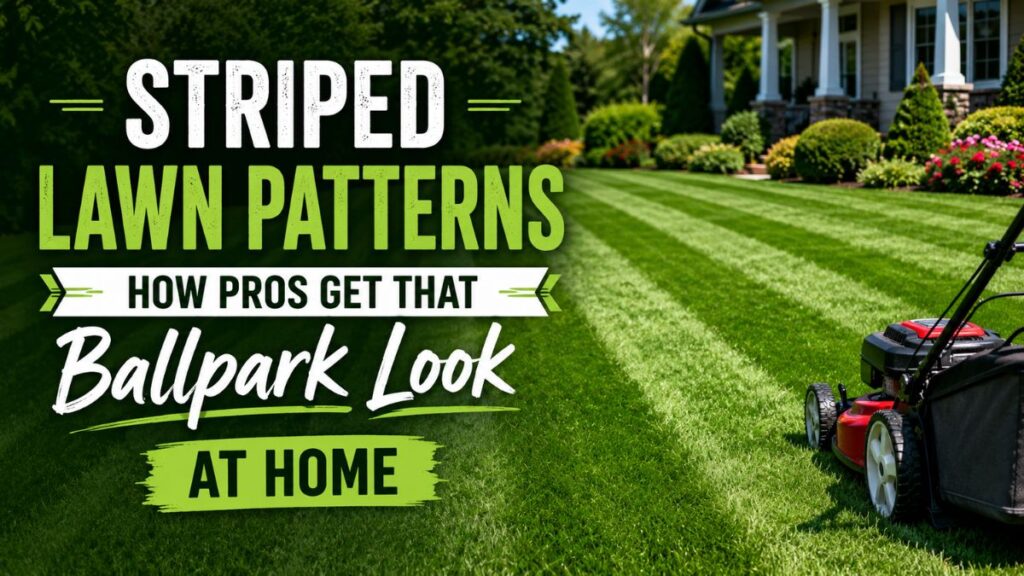
There’s something instantly satisfying about a perfectly striped lawn. The crisp light-and-dark bands make even an ordinary yard look polished, expensive, and professionally maintained. The good news? You don’t need a stadium grounds crew to create that iconic ballpark effect. With the right mowing technique, a few smart tools, and consistent lawn care habits, you can achieve stunning striped lawn patterns right at home.
Whether you want simple straight lines or eye-catching checkerboards, learning how lawn striping works can completely transform your yard’s appearance without spending a fortune.
What Creates Striped Lawn Patterns?
Many homeowners assume lawn stripes come from paint or special grass seed. In reality, the effect is much simpler.
How Grass Reflects Light
Striped lawns happen because grass blades bend in different directions after mowing.
- Grass bent toward you appears darker
- Grass bent away reflects more sunlight and looks lighter
This alternating reflection creates the famous stadium-style stripes.
Why Professional Fields Look So Sharp
Sports field managers use heavy rollers or striping kits attached to mowers. These tools press the grass consistently to create clean, dramatic contrasts.
The healthier and thicker your lawn is, the more visible the stripes become.
Best Grass Types for Lawn Striping
Not every grass variety produces the same dramatic effect.
Cool-Season Grasses Work Best
Cool-season grasses usually create the boldest stripes because their blades are longer and more flexible.
Best options include:
- Kentucky bluegrass
- Perennial ryegrass
- Fescue blends
Warm-Season Grasses Can Still Be Striped
Warm-season grasses tend to grow stiffer and shorter, but striping is still possible with proper mowing height.
Good choices include:
- Bermuda grass
- Zoysia grass
- St. Augustine grass
Before mowing, it helps to know the ideal cutting height for your lawn type. You can use the Mowing Height Calculator by Grass Type to get the best mowing recommendations for stronger striping results.
Tools You Need for the Ballpark Lawn Look
Creating lawn stripes doesn’t require expensive commercial equipment.
Basic Equipment for DIY Lawn Striping
Most homeowners can start with:
- A lawn mower with a rear roller
- A lawn striping kit
- A healthy lawn with even growth
- Sharp mower blades
Many modern mowers already produce light striping naturally.
Lawn Striping Kits Worth Considering
A striping kit attaches behind your mower and bends grass more aggressively.
Popular DIY stripers include:
- Rubber flap systems
- Weighted PVC rollers
- Brush stripers
Even a homemade striping attachment can produce surprisingly professional results.
How to Create Perfect Striped Lawn Patterns
This is where the magic happens.
Start With a Healthy Lawn
Thick grass creates the sharpest contrast.
Before striping:
- Water deeply but not excessively
- Fertilize regularly
- Repair bare patches
- Remove weeds
Uneven or thin turf makes stripes appear patchy.
Mow at the Right Height
Striped Lawn Patterns Look Better With Taller Grass
Slightly taller grass bends more easily and reflects light better.
For most lawns:
- Keep grass between 2.5 to 4 inches
- Never remove more than one-third of the blade height
Consistent mowing height dramatically improves stripe visibility.
Follow Straight Mowing Lines
Pick a fixed point in the distance and mow toward it.
To keep stripes clean:
- Overlap slightly on each pass
- Avoid sudden turns
- Move slowly and steadily
Crooked lines become very noticeable on striped lawns.
Alternate Directions Every Mowing Session
Changing mowing direction helps:
- Prevent soil compaction
- Reduce grass stress
- Improve stripe definition
This also keeps your lawn healthier over time.
Popular Lawn Striping Designs to Try
Once you master basic stripes, you can experiment with more advanced patterns.
Straight Stadium Stripes
This is the easiest and most popular pattern.
Perfect for:
- Front yards
- Large open lawns
- Beginners
Checkerboard Patterns
Create stripes in one direction first, then mow perpendicular lines across them.
The result looks incredibly professional.
Circular and Diagonal Designs
Experienced homeowners often try:
- Waves
- Diamonds
- Spirals
- Zigzags
These designs work best on large, flat lawns.
Common Lawn Striping Mistakes
Even beautiful lawns can lose their visual impact if striped incorrectly.
Cutting Grass Too Short
Short grass won’t bend enough to create strong contrast.
Scalping also weakens lawn health.
Using Dull Mower Blades
Dull blades tear grass instead of cutting it cleanly.
This can cause:
- Brown lawn tips
- Uneven striping
- Lawn stress
Sharpen blades regularly for crisp results.
Striping Wet Grass
Wet grass clumps together and creates messy lines.
Always mow when the lawn is dry for cleaner patterns.
How to Make Lawn Stripes Last Longer
Fresh stripes look best immediately after mowing, but proper care extends their visibility.
Boost Lawn Health Year-Round
Healthy grass naturally holds stripes better.
Focus on:
- Seasonal fertilization
- Proper watering
- Aeration
- Overseeding thin areas
Mow Consistently
Regular mowing keeps stripe patterns fresh and defined.
Most lawns benefit from mowing:
- Once weekly during peak growth
- Every 5 days during fast-growing seasons
Consistency is key to achieving that professional ballpark appearance.
FAQs:
How do professionals create striped lawns?
Professionals use mower rollers or striping kits that bend grass blades in opposite directions to reflect sunlight differently.
Can any mower create lawn stripes?
Yes, many standard mowers can create light striping naturally, but striping kits produce stronger, more visible patterns.
Do lawn stripes damage grass?
No. Proper striping is safe and can even encourage healthier mowing habits when directions are alternated regularly.
Conclusion:
A beautifully striped lawn instantly elevates your home’s curb appeal and creates that clean, professional look most homeowners admire. The best part is that you don’t need expensive equipment or expert-level skills to achieve it. With the right mowing height, healthy grass, and consistent technique, you can create stunning striped lawn patterns that rival professional sports fields.